5 Drone Contract Liability Clauses Beginners Must Check
Last Updated: November 21, 2026
Quick Summary
Drone contract liability is the question of who pays when something goes wrong on a job, and it is decided mostly by the indemnification clause. Read that clause first. Check who indemnifies whom, what it covers, and whether it reaches the client's own negligence, then have counsel review any hold harmless wording before you sign.
- Check whether the client protects you or only the other way around.
- Confirm what the indemnity covers: injury, property damage, lost data, or regulatory fines.
- Treat a clause that covers you for the client's own mistakes as a red flag.
- Compare your certificate of insurance line by line against what the contract requires.
- Keep current certificates, manuals, pilot records and logs ready before the next bid.
Table of Contents
- Reading the Indemnification Clause Before You Sign
- Matching Indemnity Clause Examples to Insurance Certificates
- Building Your Safety Documentation File for the Next Bid
- Frequently Asked Questions
Reading the Indemnification Clause Before You Sign
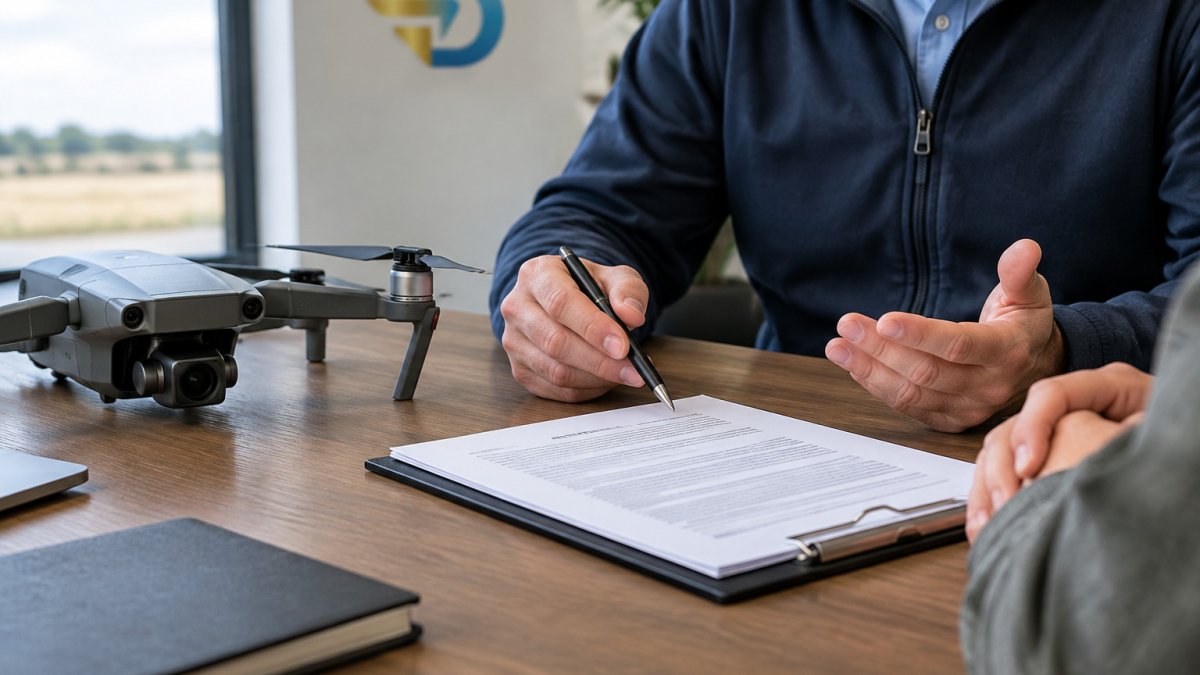
The indemnification clause decides who pays when something goes wrong on a job. Read this clause first, every time.
Look for three things:
- Who indemnifies whom. Does the client protect you, or only the other way around?
- What the clause covers. Injury, property damage, lost data, or regulatory fines.
- Whether it reaches the client's own negligence. A clause that covers you for the client's mistakes is a red flag.
Ask counsel to review any indemnity language before you sign, especially "hold harmless" wording. Contract mechanics vary, and the right answer depends on your agreement. If you are working through a stack of similar agreements for the first time, a resource like Priced & Papered can help you organize the terms you are comparing so the gaps are easier to spot.
The article points to three things to look for when you read an indemnification clause.
| What to look for | Question to ask | Why it matters |
|---|---|---|
| Who indemnifies whom | Does the client protect you, or only the other way around? | Shows which party carries the risk |
| What the clause covers | Injury, property damage, lost data, or regulatory fines | Defines the scope of what you pay for |
| Client's own negligence | Does the clause reach the client's own mistakes? | A red flag if it covers you for them |
Matching Indemnity Clause Examples to Insurance Certificates
An indemnity promise is only as good as the insurance behind it. Check that your liability coverage matches what the contract requires you to cover.
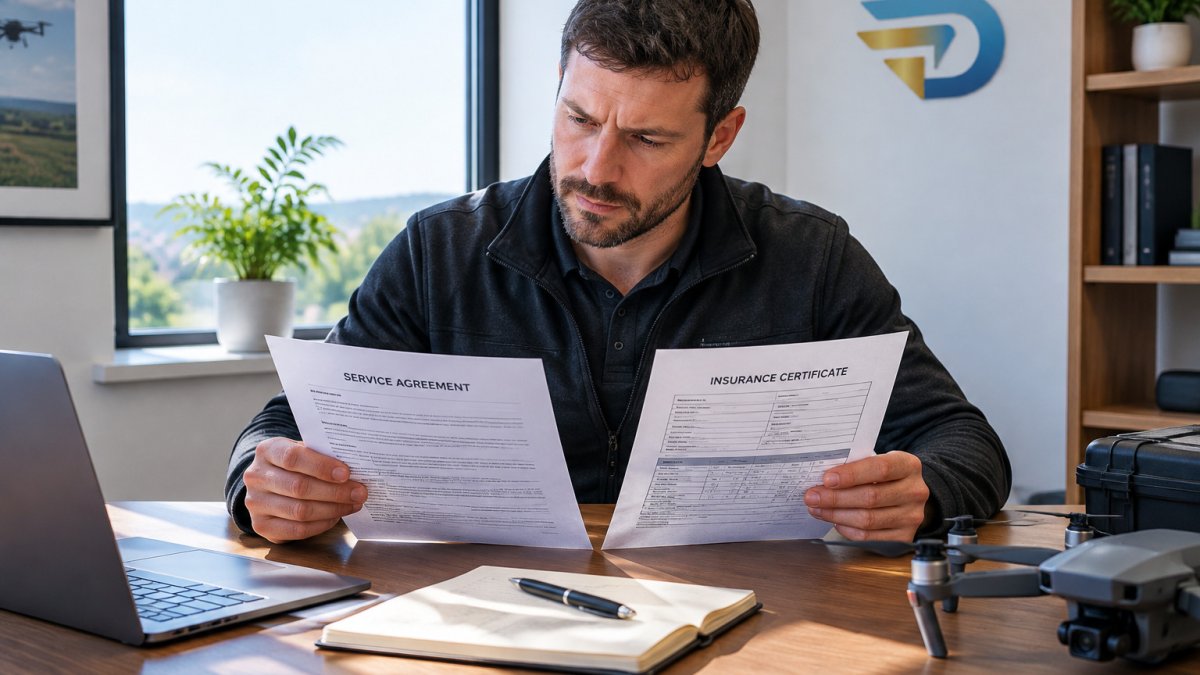
Compare the contract to your certificate of insurance line by line. Confirm the coverage limits, whether the client is listed as an additional insured, and whether the policy excludes the work you're bidding. Bring any gaps to your broker and counsel before the job starts, not after an incident.
Building Your Safety Documentation File for the Next Bid
Keep a safety file ready before the next bid lands, because a drone contract liability question often comes up late in procurement.
- Current certificates of insurance, with limits and endorsements
- Your operations manual and pre-flight checklist
- Pilot certifications and training records
- Incident and maintenance logs
If a clause asks for something you cannot produce, flag it early. A missing document at the deadline is a common reason bids get dropped. Operators who build this file once and keep it current tend to answer these requests faster, and the Enterprise Drone Deal Accelerator is one option for working through the bid process with that kind of documentation in place.
Frequently Asked Questions
What is the difference between indemnity and liability in a drone contract?
Liability is the legal responsibility for harm that occurs. Indemnity is a contract term that decides who pays for that harm between the parties. A contract can move financial risk from one party to another, but it does not move the operator's regulatory responsibility to the FAA. Read the indemnity clause to see who covers third-party claims, then confirm your general liability policy actually responds to that obligation. Ask counsel to explain any clause you do not fully understand before you sign or submit a bid response.
What insurance requirements should operators check in a drone services contract?
Check the required liability limit, along with additional insured wording, waiver of subrogation and any requirement for a certificate of insurance before work starts. Compare each requirement against your current policy declarations page. If a limit or endorsement is missing, raise it with your broker before the deadline. Do not promise coverage you do not hold, and confirm your policy covers the specific drone types and operations named in the scope of work.
What should a drone operator ask counsel about contract liability?
Ask counsel how the indemnity clause interacts with your insurance, whether the hold harmless language is mutual or one-sided, and what happens if the client's requirements conflict with your policy terms. Ask which governing law applies and whether the limitation of liability section caps your exposure. Bring your draft response, the client's request for proposal and your current certificate of insurance so counsel can review them together.

