Drone Pilot Certifications Enterprise Buyers Check in 2026
Last Updated: November 12, 2026
Quick Summary
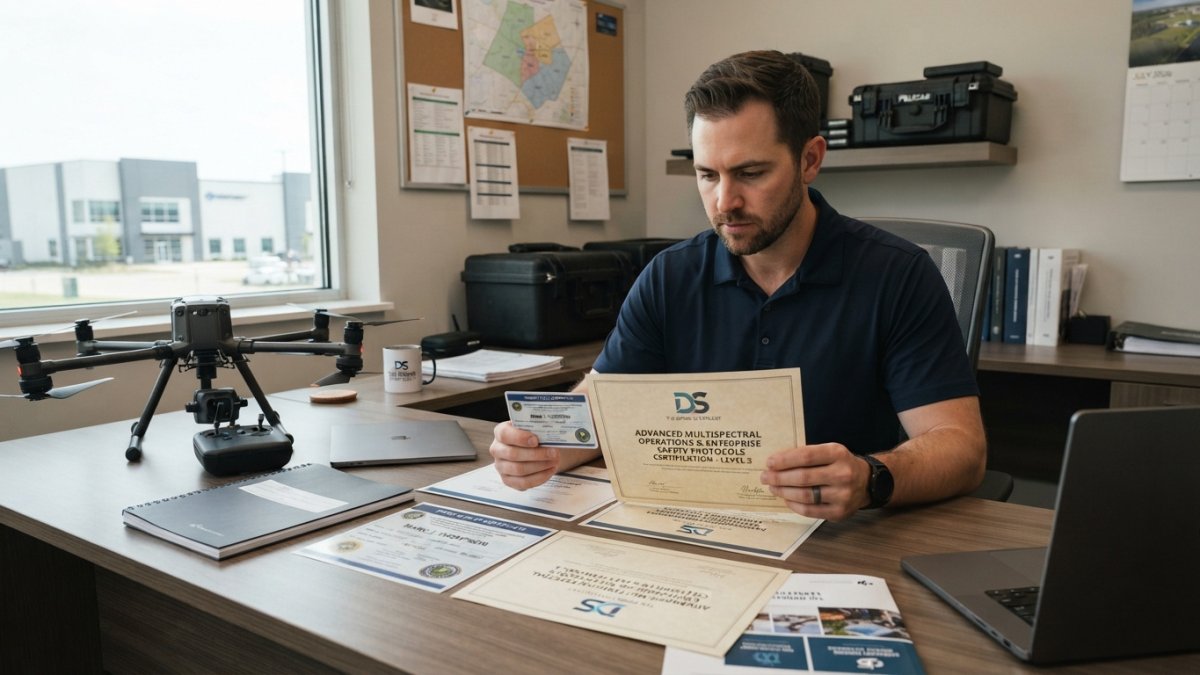
The drone pilot certifications enterprise buyers check first is the Remote Pilot Certificate, named for each pilot on the team. The certificate is only the entry ticket, because buyers also review the operation's own safety procedures, such as a preflight checklist and a site-specific risk assessment.
- Name the Remote Pilot Certificate for each pilot the buyer will see on the job.
- The certificate does not show flight planning, method, accuracy, or how deliverables are handled.
- Pair the certificate with a written, job-specific preflight checklist and site risk assessment.
- Records of how the crew responds to a lost link or changing wind forecast are reviewed closely.
- Confirm every document is current, since an expired insurance certificate disqualifies a bid.
Table of Contents
- What the Remote Pilot Certificate Proves and What It Does Not
- Operator Safety Documentation Beyond the Certificate Number
- Assembling the Enterprise Drone Procurement Package Before the Deadline
- Frequently Asked Questions
What the Remote Pilot Certificate Proves and What It Does Not
Enterprise buyers ask about the Remote Pilot Certificate first, usually as a yes-or-no question, and they want to see the exact credential behind every one of their drone pilot certifications. State the Remote Pilot Certificate cleanly in every response.
It does not show how the pilot plans a flight, documents a method, or handles a deliverable. A certificate number says nothing about whether the survey will meet a stated accuracy tolerance.
Treat the certificate as the entry ticket. Operators who stop there fail the screens that follow.
The certificate answers a narrow question, and the table below sets out what it covers and what the buyer still checks separately.
| Item | Covered by the certificate | Checked separately |
|---|---|---|
| Pilot credential | Remote Pilot Certificate, named per pilot | Certificate number on the response |
| Flight planning | Not shown | How the pilot plans each flight |
| Method | Not shown | Documented method for the survey |
| Accuracy | Not shown | Whether it meets the stated tolerance |
| Deliverable | Not shown | Handling of the finished product |
Operator Safety Documentation Beyond the Certificate Number
Safety evidence is where responses go thin. "All pilots are FAA certified" is not a safety program. Reviewers want the procedures behind the certificate.
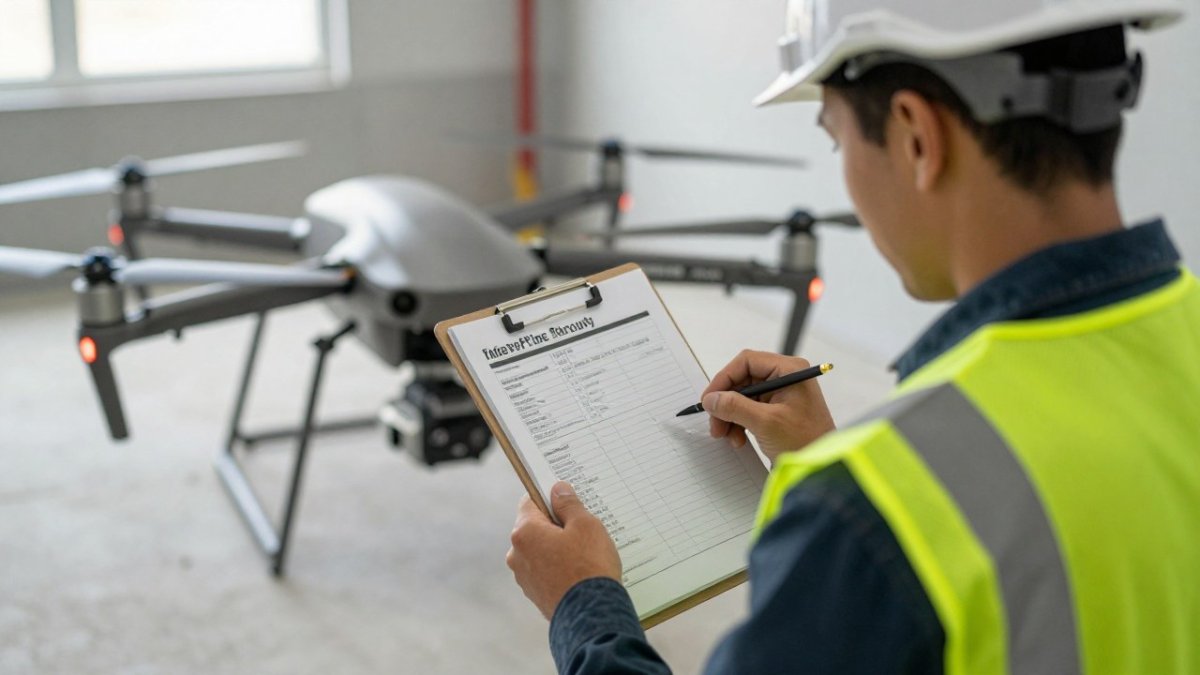
Pair the certificate with the safety documentation the buyer asks for, such as a written preflight checklist, a site-specific risk assessment, and records of how the crew responds to a lost link or a changing wind forecast. Make sure the response shows the operation's own procedures, not just the pilot's credential.
The checklist is the piece reviewers read first. Make it specific to the job, not a generic template.
Assembling the Enterprise Drone Procurement Package Before the Deadline
Procurement packages fail on completeness. One missing certificate at a deadline nobody extends removes the bid before the price is read. Build the package from the buyer's requirements list, line by line, marking each item attached, pending, or not applicable. The screens a procurement team runs show which items get checked first, so the package can be built to pass them.
Start with what enterprise buyers commonly request, which usually includes the Remote Pilot Certificate for each pilot named, proof of insurance, and a safety plan. Then check the solicitation for anything unusual, such as data custody terms or specific accuracy reporting. If you are short on time or staff to assemble this, the Enterprise Drone Deal Accelerator is built around exactly this kind of package work.
Verify your package against the Enterprise Drone Service Requirements Checklist before submission. For the screens reviewers apply, see why drone bids get disqualified, and for what buyers typically require, read enterprise procurement requirements for small businesses.
Confirm each document is current. An expired insurance certificate is a disqualification, not a formality. Where the package also needs pricing that fits the contract vehicle, Priced & Papered covers that side of the response.
Ask counsel to review any contract terms before you sign. Your job is to know what the buyer will check and have it ready.
The Disqualification Checklist is the next step if you want to find the gaps in your current response before a buyer does.
Frequently Asked Questions
Which drone pilot credentials do enterprise buyers look for?
Enterprise buyers start with the Remote Pilot Certificate issued under 14 CFR Part 107, . Beyond that, they look for evidence that the operator's safety procedures and data handling are documented. A certificate number alone rarely answers the questions a procurement reviewer asks. Check whether your response shows the pilot in command, the operating procedures, and the insurance and records that support the work.
Does a remote pilot certificate satisfy a safety program requirement?
No. The certificate confirms that an individual pilot passed the knowledge test and holds a valid credential. A safety program describes how your operation manages risk on each job, including preflight inspection, hazard assessment, and incident reporting. Reviewers evaluate these as separate items. Offering the certificate number as your safety program is a common reason responses fail the safety and regulatory screen.
What should accompany a remote pilot certificate in an enterprise response?
Include copies of the certificates for each pilot who will fly, a roster showing which pilot is in command for which role, and your documented operating procedures. Add records of recurrency or training where your program requires them. Note any waivers or authorizations that apply to the work in the scope. Keep the package specific to the pilots named in the bid, since reviewers check that the people listed are the people who will fly the job.

